
Illinois ranks 48th among the 50 states and Washington, D.C., for air quality, according to a 2026 analysis by Aerterra using population-weighted Environmental Protection Agency (EPA) monitoring data from 2023.
The state recorded an average air quality index (AQI) of 50.4, placing it in the moderate category and behind only Arizona, Nevada and New Mexico. Illinois is the only Midwestern state among the bottom five in the rankings. The state's population-weighted average is influenced heavily by the Chicago metropolitan area, where traffic density and industrial activity contribute to air pollution.
The AQI measures major pollutants, including ground-level ozone and fine particulate matter, on a scale of zero to 500. Although Illinois' statewide average is in the moderate category, air quality varies considerably by county and season. Downstate readings are generally more favorable than those in the Chicago area. Residents can monitor local conditions through AirNow.gov.
Outdoor air quality is only part of the issue. The EPA estimates that Americans spend approximately 90% of their time indoors and that concentrations of some pollutants are typically two to five times higher indoors than outdoors. Common indoor pollutants include cooking emissions, cleaning products, pet dander, dust and particles from building materials.
For households, HVAC filtration, ventilation and pollution source control can help reduce indoor exposure. The Department of Energy recommends checking air filters monthly during periods of heavy use and replacing them regularly, typically every 60 to 90 days, depending on household conditions. Filters with minimum efficiency reporting value (MERV) ratings of 8 to 13 can help capture a range of airborne particles, although homeowners should check their HVAC system specifications before upgrading to a higher-rated filter.
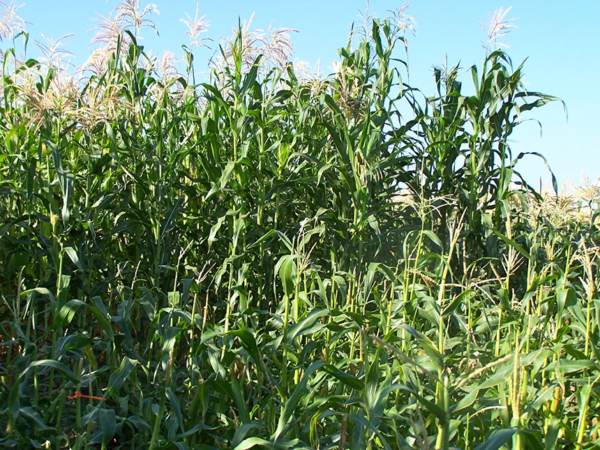
Corn is emerging as an alternative material for HVAC filtration. U.S. households use an estimated 500 million air filters annually, most of which are made from petroleum-based synthetic materials. However, manufacturers are exploring renewable alternatives, including polylactic acid (PLA), a plant-based polymer made from corn starch.
Corn starch can be fermented into lactic acid and converted into PLA. Companies such as NatureWorks produce the material commercially, and it is recognized through the U.S. Department of Agriculture's BioPreferred program.
Aerterra, a winner of the National Corn Growers Association's Consider Corn Challenge, uses corn-based PLA to produce nanofiber filter media. The company manufactures HVAC filters in the United States in MERV 8, 11 and 13 ratings, offering an alternative to conventional petroleum-based filtration materials.
The application could provide another market opportunity for corn growers. HVAC filters require regular replacement, generally every one to three months depending on the product and household conditions. As a result, increased adoption of corn-based filtration materials could create recurring demand for corn-derived products.
Corn also has a connection to transportation air emissions through ethanol production. Corn-based ethanol can replace a portion of petroleum-based gasoline in fuel blends, providing a domestically produced renewable alternative while reducing petroleum consumption. On a lifecycle basis, corn ethanol can also have lower greenhouse gas emissions than conventional gasoline.
Illinois is a significant part of the U.S. ethanol industry, with 14 ethanol plants that employ more than 22,000 people and generate $11.4 billion in economic output. Illinois corn farmers supply feedstock for the industry, connecting agricultural production with rural employment, manufacturing and transportation fuel markets.
Together, corn-based PLA filtration materials and ethanol demonstrate the expanding range of applications for corn beyond traditional food and feed markets. From renewable materials used in household air filters to transportation fuels that reduce reliance on petroleum, Illinois corn is contributing to products and technologies aimed at addressing environmental challenges while supporting economic activity across the state.
Source: IL Corn, "Illinois Air Quality: Where Corn Fits Into the Picture"