
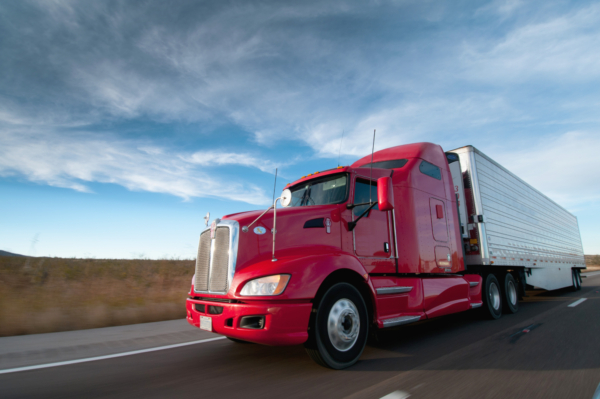
Record-high diesel prices are adding to farmers' grain marketing costs, potentially changing which buyers offer the most attractive bids and whether storing grain for future sales remains profitable.
Diesel prices reached $6.53 per gallon in late September, up from an average of $3.75 per gallon a year earlier. The increase is raising transportation costs and adding another consideration to grain storage and marketing decisions.
Using Iowa State University's Grain Truck Transportation Cost Calculator, a scenario involving grain hauled from on-farm storage bins illustrates the impact. For an operation hauling grain 30 miles to a buyer, a 60-mile round trip cost approximately 46 cents per bushel in September 2025.
Nonfuel operating costs accounted for the largest share at 20 cents per bushel. These expenses included repairs and maintenance, tires, lubrication and labor. Ownership costs, including capital recovery, insurance and licensing, added nearly 14 cents per bushel, while fuel costs accounted for nearly 13 cents.
At $6.53 per gallon, fuel costs increased 84.6% to approximately 24 cents per bushel. The higher fuel expense raised total transportation costs by 22%, adding about 11 cents per bushel to the cost of hauling grain in this scenario.
That increase can influence which grain buyer offers the best return. A higher bid may appear attractive, but the additional transportation expense can offset the price advantage, depending on the distance to the buyer.
For farmers evaluating competing grain bids, the key question is whether the higher price compensates for the added hauling costs. A difference of several cents per bushel between buyers can become less significant when transportation expenses rise, potentially changing the most profitable delivery destination.
Some higher fuel costs are difficult for farmers to avoid, including those associated with planting, harvesting and hauling grain from the field. However, elevated diesel prices could influence other management decisions, including tillage practices and where and when to market and deliver grain.
Higher fuel prices also add to the cost of storing grain for later sale. Earlier this year, higher interest rates increased the opportunity cost of grain storage. Those per-bushel expenses can accumulate quickly when farmers store hundreds of thousands of bushels for several months.
When both interest and transportation costs rise, the potential benefits of waiting for a stronger basis or a larger futures carry can diminish. A 25- or 50-cent-per-bushel carry or basis improvement may be less attractive in 2026 than it was several years ago, depending on the costs associated with storage and delivery.
Farmers are not the only ones facing higher transportation expenses. Across the agricultural supply chain and the broader economy, the cost of moving goods and services has changed considerably over the past eight months.
From transporting agricultural commodities by rail or barge to delivering packages and planning vacations, businesses and consumers are weighing which expenses are unavoidable and which can be adjusted. The longer diesel prices remain elevated, the greater the potential for changes in operating decisions, transportation strategies and marketing plans.
Source: Michigan Farm News, "Factoring higher diesel prices into your grain marketing plans"