
Untreated hearing loss can increase the risk of developing dementia as people age, highlighting the importance of protecting hearing and seeking treatment when hearing loss occurs.
Hearing involves both the ears and the brain working together to process and understand sounds. The brain can compensate for gaps in hearing, sometimes making it difficult for individuals to recognize that they are experiencing hearing loss. Over time, however, untreated hearing loss may contribute to cognitive decline.
Several factors may explain the association between hearing loss and dementia. The brain must work harder to interpret sounds and fill in missing information, potentially diverting resources from other cognitive functions. Hearing loss may also contribute to faster brain shrinkage and social isolation, reducing mental stimulation and engagement.
A study conducted at the Johns Hopkins Bloomberg School of Public Health examined the connection between hearing loss and dementia. Researchers found that older adults with hearing loss who used hearing aids were less likely to have dementia than those who did not use hearing aids. Although hearing loss does not directly cause dementia, research indicates that it is associated with an increased risk of developing the condition.
According to the American Academy of Audiology, common signs of hearing loss include difficulty understanding speech in noisy environments, frequently asking others to repeat themselves, increasing the volume of televisions or radios and experiencing frustration during conversations. Individuals may also have difficulty understanding someone when they cannot see the person's face or begin avoiding social situations because of communication challenges.
Early signs of dementia include forgetfulness, difficulty completing familiar tasks, problems recalling words, disorientation, impaired judgment and changes in mood or personality. Individuals may also misplace objects, struggle with complex mental tasks or become less engaged in everyday activities.
Some symptoms of hearing loss can overlap with those associated with dementia. For example, difficulty understanding spoken information may make it harder to remember conversations because the information was not accurately received. Hearing and balance disorders can also occur together, potentially increasing the risk of falls.
Even mild hearing loss has been associated with an increased risk of dementia, making hearing protection and early intervention important.
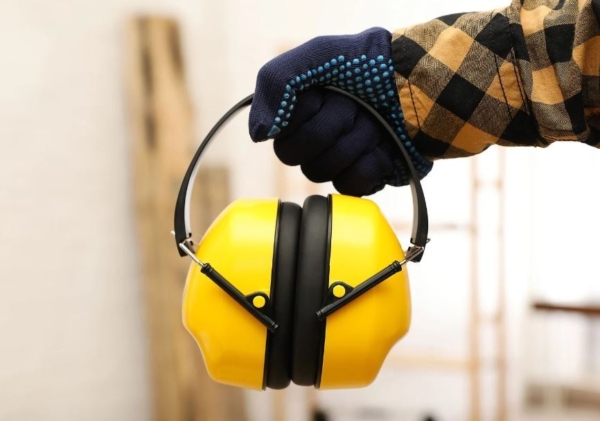
Exposure to loud noise is a preventable cause of hearing loss, particularly in agricultural environments where workers regularly operate tractors, combines, grain dryers and other equipment. Using appropriate hearing protection and limiting exposure to excessive noise can help preserve hearing.
For individuals already experiencing hearing loss, several treatment options are available, including hearing aids, assistive listening devices and cochlear implants.
Some people hesitate to use hearing aids because of concerns about their appearance, the perceived severity of their hearing loss or the cost. Hearing aids can cost $1,500 to $3,000 each, creating a financial barrier for some individuals.
Assistive listening devices may provide a less expensive alternative for specific activities, such as watching television, but they may not address hearing difficulties in all situations. Cochlear implants require surgery and are generally intended for individuals with more severe hearing loss.
Protecting hearing and addressing hearing loss early can help maintain communication, social engagement and quality of life as people age. Individuals who suspect they have hearing loss should schedule an evaluation with an audiologist to determine whether treatment is necessary.
Source: IL Corn, "Untreated Hearing Loss & Dementia"