
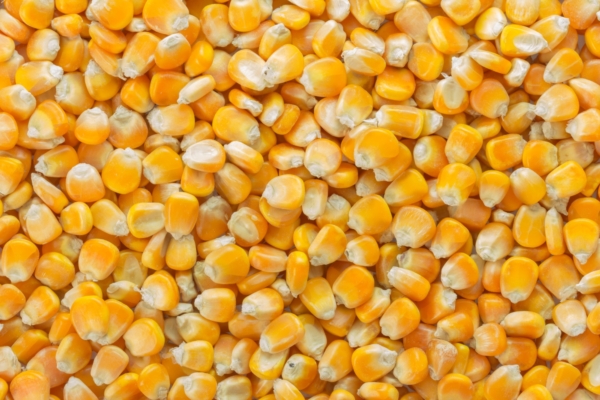
Corn-based feedstocks could create significant new demand for U.S. corn as manufacturers look to replace petroleum-derived chemicals and materials with renewable alternatives.
Replacing petroleum with corn-based feedstocks in 10% of the world’s plastics market could generate an estimated 6.6 billion bushels of new corn demand annually. Plastics are one of several potential markets for corn-based feedstocks, which also could be used in products ranging from cosmetics to automotive components.
The opportunity comes as corn growers face the need for additional markets. Despite record exports so far during the current marketing year, increased supplies and continued advances in genetics and technology could add to available corn supplies.
Corn-based inputs can be used in biomanufacturing to replace chemicals and materials traditionally produced from fossil-based sources. Research and manufacturing innovation are expanding opportunities for corn, often by first converting it to ethanol and then using it to produce molecules that can serve as inputs for biobased products.
Potential applications include diapers that use biobased acrylic acid to increase absorbency, carbon fiber for automotive and agricultural equipment components, and face creams that use biobased hydrocolloids to help retain moisture.
Many products currently made using carbon-based materials and petroleum-derived feedstocks could potentially be produced using corn-based alternatives. Corn-based materials can provide identical or near-identical functional properties to conventional products while offering manufacturers an alternative renewable feedstock.
For biobased products to gain wider adoption, they must compete with petroleum-based products on both cost and performance. Additional investment in research and development could help identify and scale high-volume applications for corn while helping innovative companies move from proof of concept to commercial production.
Policies that support plant-based feedstocks could help expand infrastructure and encourage larger-scale production, potentially reducing costs. A market-driven strategy to increase awareness and adoption also could strengthen demand for corn and corn-based products.
As the market develops, corn-based bioplastics and other biobased materials could provide a significant new source of demand for the corn industry while giving manufacturers additional options for replacing fossil-based inputs.
Source: National Corn Growers Association, "Corn Is Offering a Surprising Solution"