
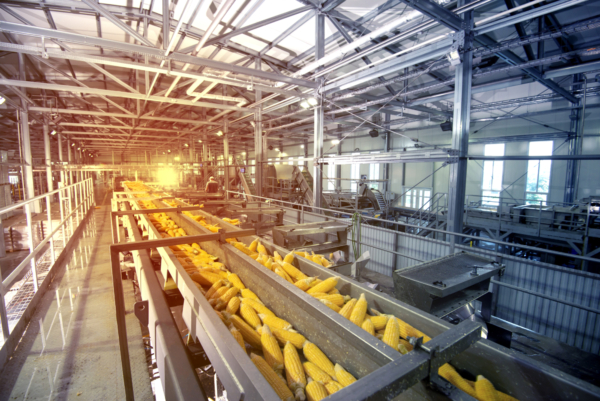

Grains and oils are foundational ingredients in the global food supply chain, and the facilities that process them face some of the toughest operational environments in the food and beverage segment. From milling and oil extraction to large-scale storage and transport, these operations must balance efficiency with safety and regulatory compliance, all while protecting against highly corrosive and combustible conditions.
Combating Corrosion and Contamination
Moisture, chemicals, and organic materials make grain and oil facilities especially vulnerable to corrosion and contamination. Left unchecked, degradation from corrosion can lead to equipment failure, product compromise, and costly downtime. Protective coatings and linings are a frontline defense for secondary containment areas, wastewater infrastructure, storage silos, and processing vessels. By forming an impermeable barrier, these systems help extend asset life, reduce maintenance costs, and protect product integrity.
Managing Combustible Dust Hazards
Grain dust remains one of the most dangerous hazards in these environments—highly combustible and capable of fueling fires. According to OSHA’s Combustible Dust Overview, past dust combustion incidents have caused devastating fires and explosions across grain-handling facilities, underscoring the importance of prevention. Recent data also reinforces this concern: The 2023 Combustible Dust Incident Report reported agriculture and grain processing consistently among the most affected segments.
To mitigate this risk, facilities must pair robust cleaning practices with durable, fire-protective coatings. These coatings support compliance with fire safety codes, reducing vulnerabilities, and protecting both employees and facilities.
Safeguarding Product Integrity and Regulatory Compliance
Food safety standards and regulations are being more closely assessed, and grains and oils processors must demonstrate strict control over contamination risks. Food-grade linings and coatings for silos, tanks, and vessels are essential to prevent leaching or product issues while meeting FDA and USDA requirements. For example, coatings intended for food-contact surfaces must comply with FDA 21 CFR 175.300, which defines resinous and polymeric coating standards. These solutions help processors maintain the purity, taste, and shelf life of their products, ensuring customer trust and brand protection.
Advanced Solutions for Storage and Asset Protection
Storage tanks and silos in grain and oil processing facilities require linings that not only resist corrosion, impact, and abrasion but also meet stringent food safety standards. FDA-compliant liners are essential for surfaces that come in contact with food products, ensuring that processors remain in compliance with regulations. These food-grade coatings prevent contamination, helping maintain product purity, taste, and shelf life.
Beyond internal protection, high-performance exterior coatings help extend the life of assets exposed to moisture, chemicals, and harsh environmental conditions. Durable systems for stainless steel and masonry substrates defend against corrosion and weathering to help preserve structural integrity and reduce maintenance costs over time.
Additionally, for ongoing facility upkeep, concrete repair and resurfacing products help quickly address cracks, surface wear, and damage in high-traffic areas. These solutions help maintain safety, support operational efficiency, and minimize costly downtime.
Flooring and Wall Systems That Withstand Heavy Demands
Facility hygiene and durability often come down to the surfaces people walk and work around every day. Resinous flooring systems must resist moisture, abrasion, and thermal shock while providing slip resistance and cleanability, which are critical for areas subject to heavy equipment and constant traffic. Likewise, seamless wall systems should create a protective barrier against splashes and spills, simplifying sanitation and supporting compliance with audit-ready hygiene standards.
Facility Maintenance and Long-Term Planning
Protective solutions can prove to be more effective over time if they’re properly maintained. Over time, exposure to dust, oils, and chemicals can weaken even the most durable systems if they’re not inspected and cared for. A proactive maintenance strategy ensures that facilities not only extend the lifespan of their infrastructure but also avoid costly, unplanned shutdowns.
Additionally, while not a primary focus, reroofing projects present additional coating opportunities across the facility. Liquid roof coatings can help extend roof life, improve energy efficiency, and protect against environmental exposure—aligning with long-term maintenance and sustainability goals.
Many facilities benefit from establishing routine inspection schedules, integrating maintenance into broader asset management systems, and documenting repairs for regulatory audits. Building maintenance into long-term planning not only strengthens compliance but also supports sustainability goals by reducing waste and extending the service life of infrastructure.
Ultimately, proactive maintenance is an investment in uptime, safety, and operational efficiency—a far more cost-effective strategy than reacting to failures after they occur.
Driving Continuous Improvement
The complexity of grain and oil processing demands more than one-time solutions. Ongoing collaboration with coatings experts and facility partners ensures that protection strategies evolve with the industry’s shifting priorities—from stricter regulations to sustainability and operational efficiency goals. With the right systems in place, processors can extend asset life, minimize downtime, and safeguard both people and products.
Feraas Alameh serves as the North American segment marketing manager for food and beverage at Sherwin-Williams Protective & Marine. With over 15 years of experience in the coatings industry, he is a seasoned business leader with a strong focus on innovation and the development of effective market strategies across diverse segments.
Alameh holds a bachelor’s degree from Cleveland State University and has completed executive education programs at the Weatherhead School of Management at Case Western Reserve University and the Fisher College of Business at Ohio State University.